I recently met someone who truly inspired me: Yevhen Zvizdovskyi, head of Dolynska territorial community (hromada) in Kirovohrad Oblast. Through his community’s example, he demonstrated what real recovery should look like.
Imagine: war, a shortage of funds, yet a small town is undergoing a remarkable transformation. How do they manage to build, develop and even have one of the largest development budgets among small communities? The secret is simple: creativity, courage and love for their homeland.
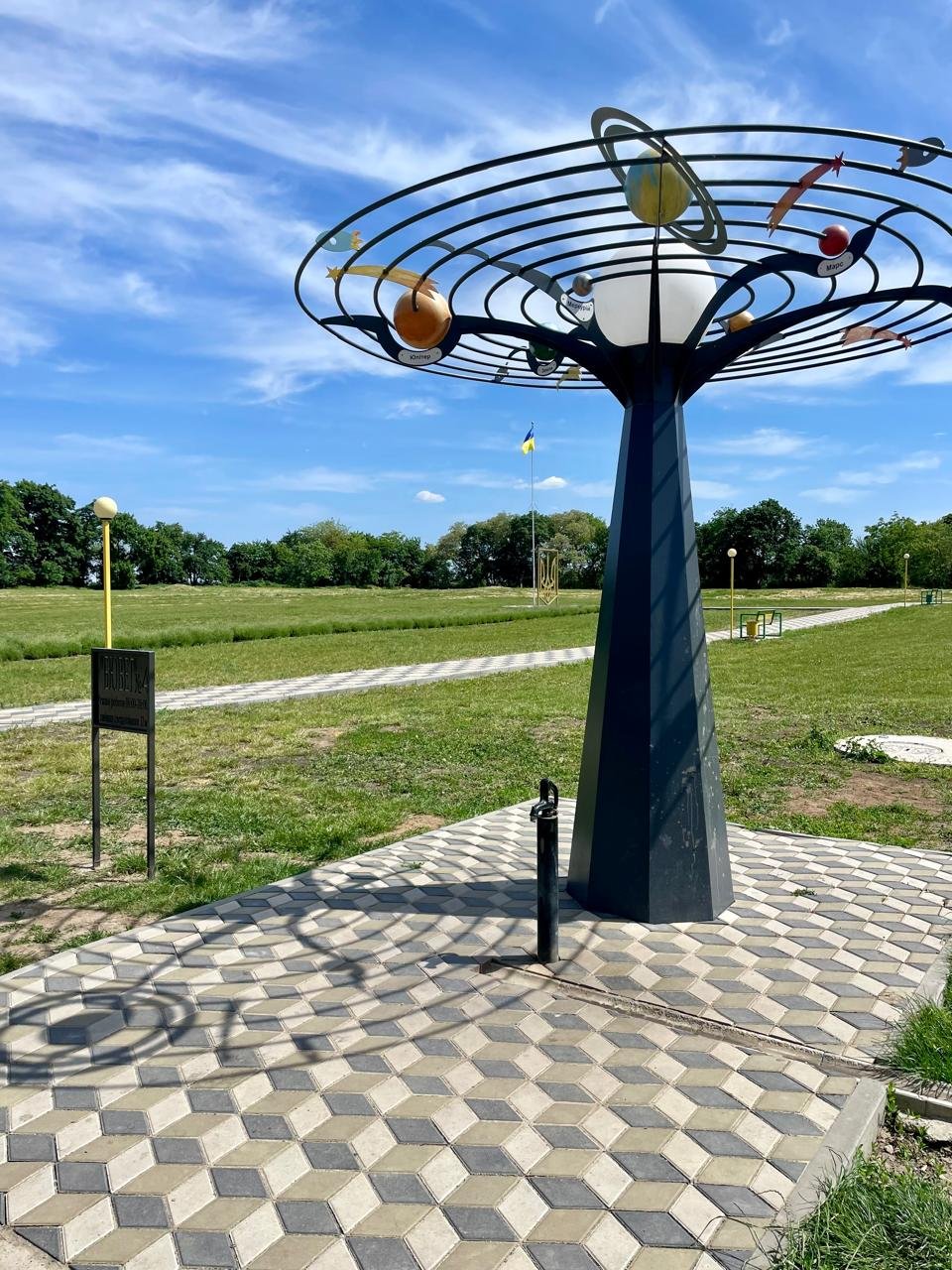
A drinking water pavilion in Dolynska
In the heart of Ukraine, in the town of Dolynska, a giant ruin stood silent for decades — the Kryvyi Rih Mining and Processing Plant for Oxidised Ores (HZKOR, its Ukrainian abbreviation). It was the largest unfinished construction project in our country’s history — a monument to poor management and wasted opportunities. Each new government promised to complete the plant, but words remained words. Meanwhile, the billions of hryvnias invested in the project were turning into rust and concrete.
It was more than an unfinished factory. It was an entire small town: apartment blocks where people could have lived, a hospital where lives could have been saved, a nursery that could have brought joy to children. All of it was frozen in time, a reminder of the wastefulness and irresponsibility of previous generations.
Then, in 2021, hope emerged. An investor bought part of the plant, promising to launch production and create thousands of jobs. But the war changed those plans. This large project, which could have driven the region’s development, was once again under threat.
This situation — unfinished factories labelled as “long-term construction projects” for decades — is a classic example of inefficient resource use. It represents taxpayers’ money that could have gone towards education, healthcare and infrastructure. It represents lost opportunities to develop the region and improve people’s lives. That is why they decided they could not simply watch our dreams fall apart. They took control of the situation.
By taking unfinished facilities from state into municipal ownership, Dolynska community gained a new lease of life. This made it possible to increase the local budget substantially and draw up an ambitious development plan. The community’s goal is to turn Dolynska into a modern European town. And they are confident that effective resource management will enable them to achieve it.
They are investing in their community’s future. Every hryvnia in the development budget is an investment in our children, our young people and our shared future. Such funds can account for 20% of the community’s annual budget, unlike most other communities, where these investments are far smaller and amount to 5–12% at best. Unfortunately, in most communities, the war consumes the funds intended for development. Yet this is precisely the indicator of a community’s success.
When we build modern schools and nurseries, improve parks and public gardens, and support local businesses, people feel inspired. They see results. Through our joint efforts, we are creating a community where people want to live and work. And we are confident that together we can achieve even more.
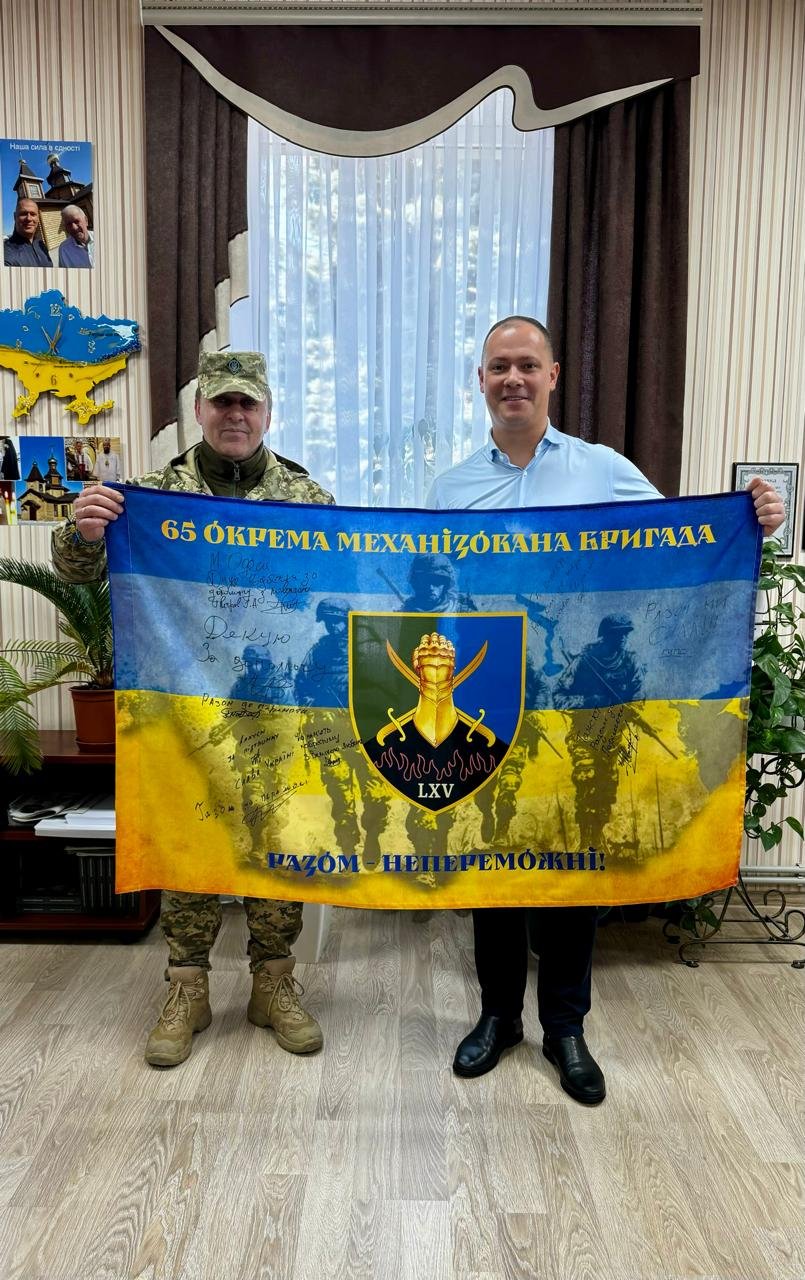
The community supports its service personnel
I asked Yevhen: How do you manage to build housing during the war?
He smiled, then immediately became serious.
— How do we manage to build housing for service personnel in the middle of a war? We are often asked this question. The answer is simple: we cannot remain indifferent to those who defend our country. For us, as local authorities, supporting military families is a sacred duty. They bear the burden of the war on their shoulders, and we must do everything possible to make their lives easier.
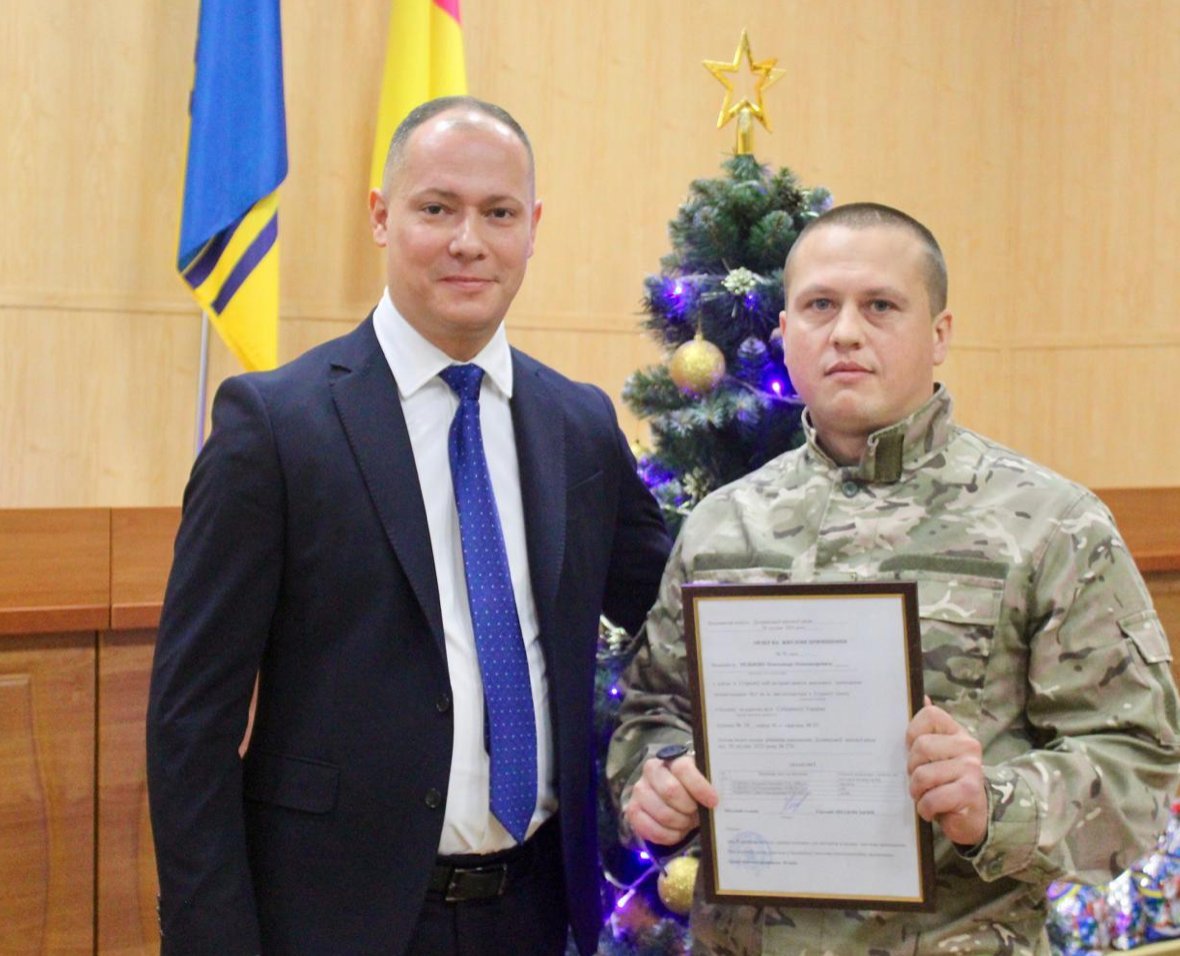
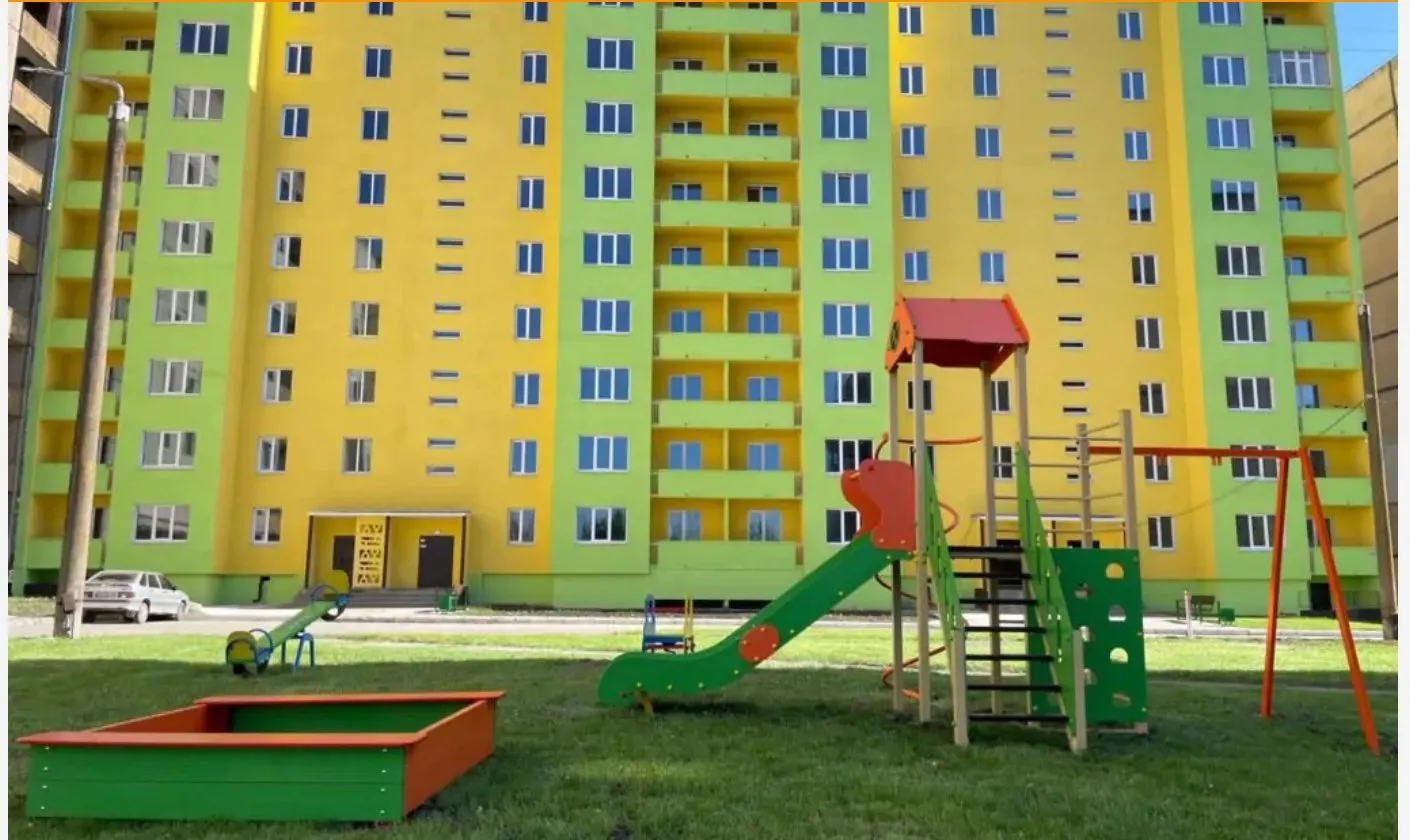
Despite all the difficulties, we decided to restore old, neglected buildings and hand them over to the families of our defenders. It was not an easy path, but we did everything we could: repaired roofs, installed new windows, and connected water and heating. These flats have now been allocated to community residents, above all those who lost their dearest loved ones in the war.
Our answer is: through joint efforts. We took responsibility for restoring old buildings and turned them into comfortable homes for military families. As a result, people who had lost loved ones received both a roof over their heads and a sense of support and care.
We renewed the roofs, installed new windows and connected utilities. All of this was made possible by local budget funds and the efforts of our municipal services. This is our contribution to victory, our way of thanking those who defend our country.
Of course, we understand that this is only a small part of what we can do. But we continue working to improve our citizens’ lives, especially those who need it most.
Handing over flats to service personnel
They also take real care of young people. We see how young people in Dolynska actively participate in the community’s development. They organise charity concerts, theatrical performances and sporting competitions. Their creative ideas help create a modern, dynamic environment. The community, in turn, supports their initiatives and provides the conditions they need.
They built a new sports complex where young people can take part in various sports, relax and socialise. They opened modern libraries and coworking spaces where young people can develop their talents. And the community is continuing its work. Its plans include creating a Palace of Sports — a youth centre where everyone can find an activity they enjoy.
Actively involving young people is a very sound approach. Together with young people, we are shaping the future of our communities. They are our partners and share our aspirations.
“We constantly consult them, take their suggestions into account and involve them in implementing projects. Through this cooperation, we are creating conditions in which young people want to live. We are convinced that by investing in young people, we are investing in our country’s future,” the community head said.
I hope people like these succeed in everything they have set out to do. And I wish Yevhen and his team fewer obstacles in their work, and more partners and people who share their aspirations.
Ruslan Shcherbakov, President of the civil society organisation Fund “Regional Center for Economic Research and Business Support” (RCERBS), Lubny, exclusively for “Recovery Window”
Photos provided by Dolynska Town Council
Photos