
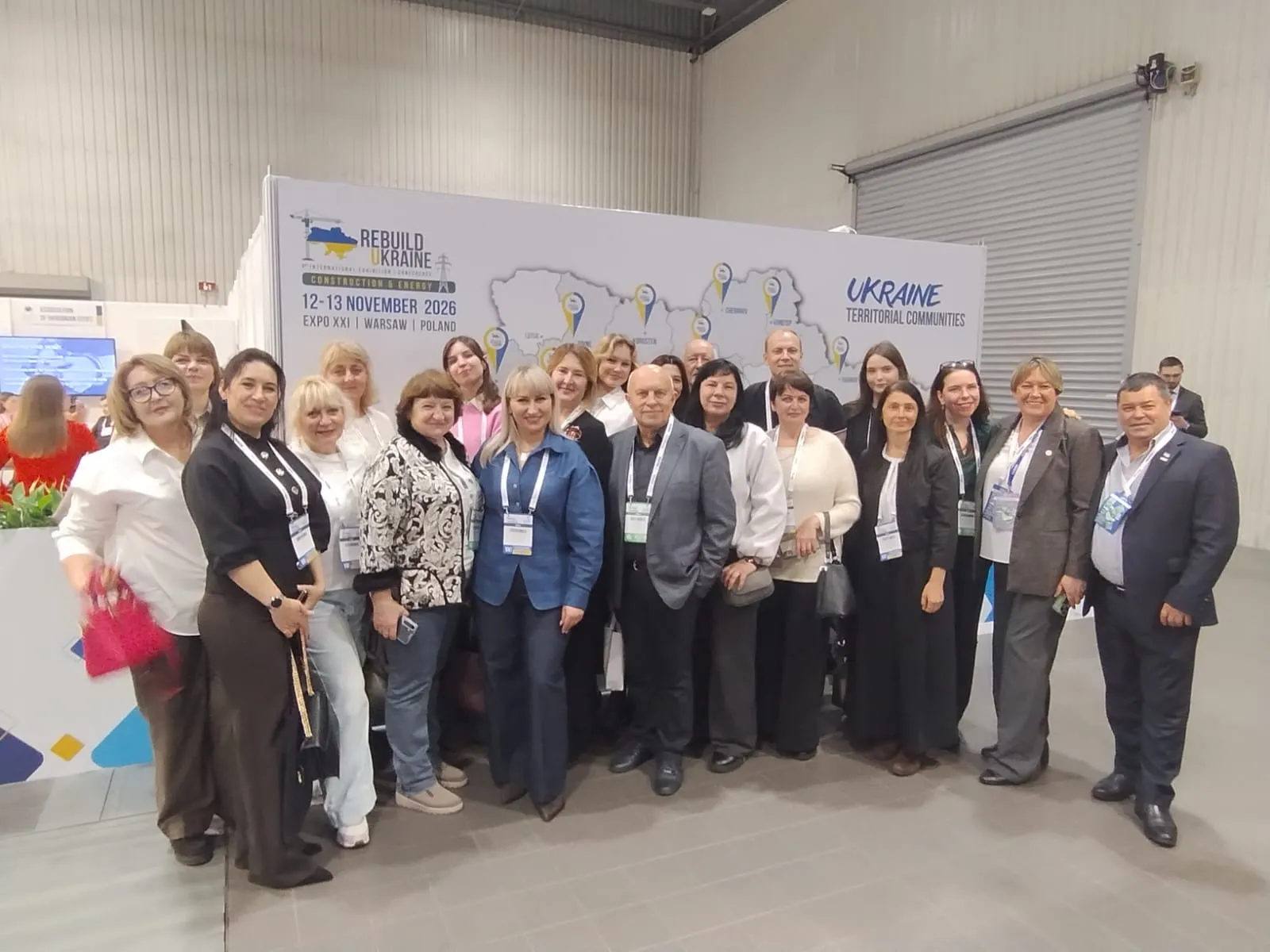
On 12–13 November 2026, representatives of Ukrainian territorial communities (hromadas) took part in the ReBuild Ukraine international exhibition and conference in Warsaw. For the Project Navigator team and its partners at CEE Bankwatch Network, the trip was the first large-scale practical step towards a system that will help small Ukrainian communities find international partners to implement their own projects.
They did not arrive in Warsaw empty-handed
For a small Ukrainian community, taking part in an international exhibition is more than a chance to see modern technologies or meet foreign companies. It is an opportunity to present its own needs and to find those who can help turn a project idea into a real result.
With exactly this aim, the team of the Fund “Regional Center for Economic Research and Business Support” (RCERBS), together with the international network CEE Bankwatch Network, organised the participation of Ukrainian communities in ReBuild Ukraine 2026.
The Project Navigator delegation included 12 territorial communities from 12 oblasts of Ukraine. They were selected from among the platform’s active participants who are already working on their own projects and are ready to present them internationally.
The delegation’s geography covered almost the whole of Ukraine.
The east and south-east were represented by the Nikopol community of Dnipropetrovsk Oblast and the Pivdenne community of Kharkiv Oblast. Central Ukraine was represented by the Dolynska community of Kirovohrad Oblast, Dykanka in Poltava Oblast, Dmytrivka in Kyiv Oblast and Teterivka in Zhytomyr Oblast.
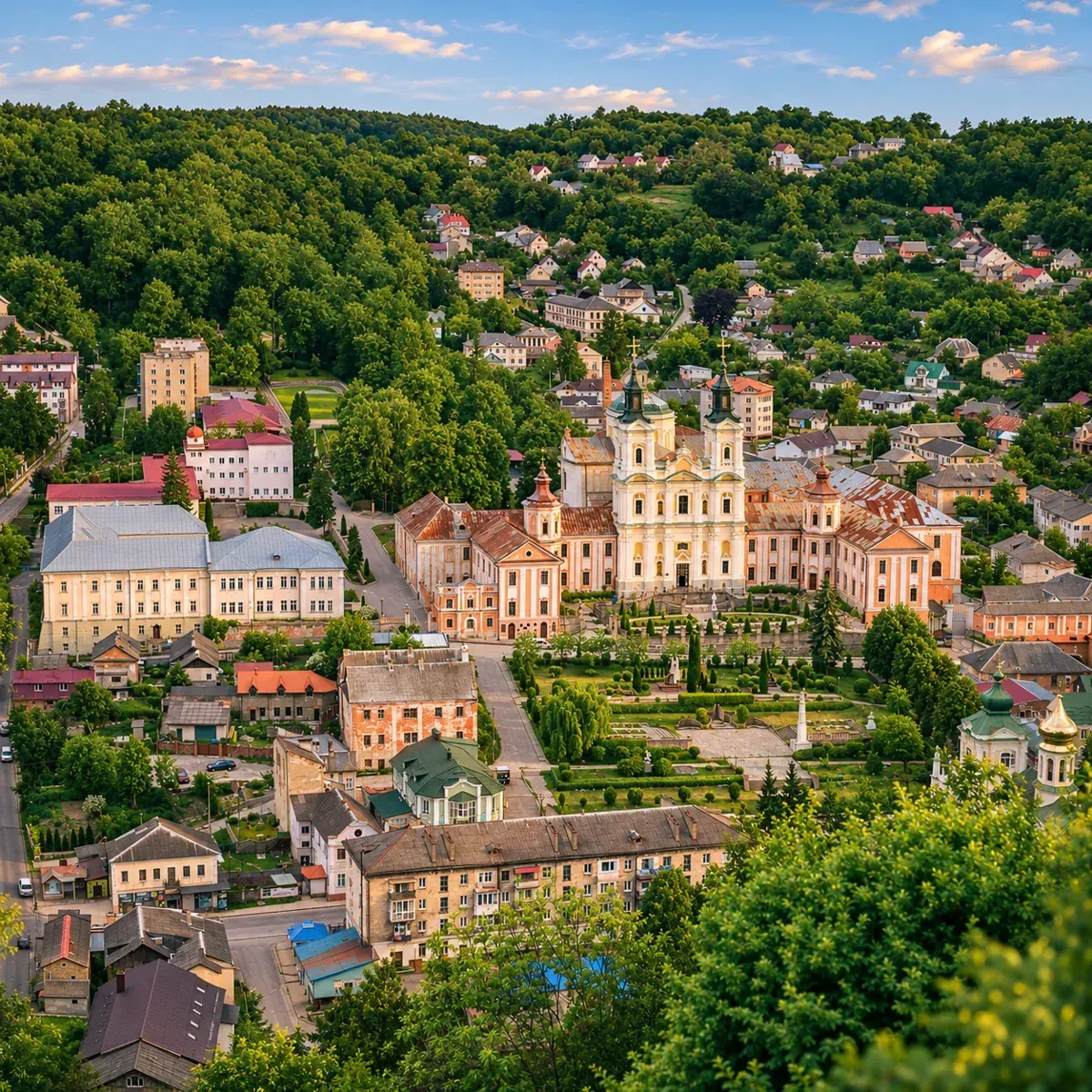
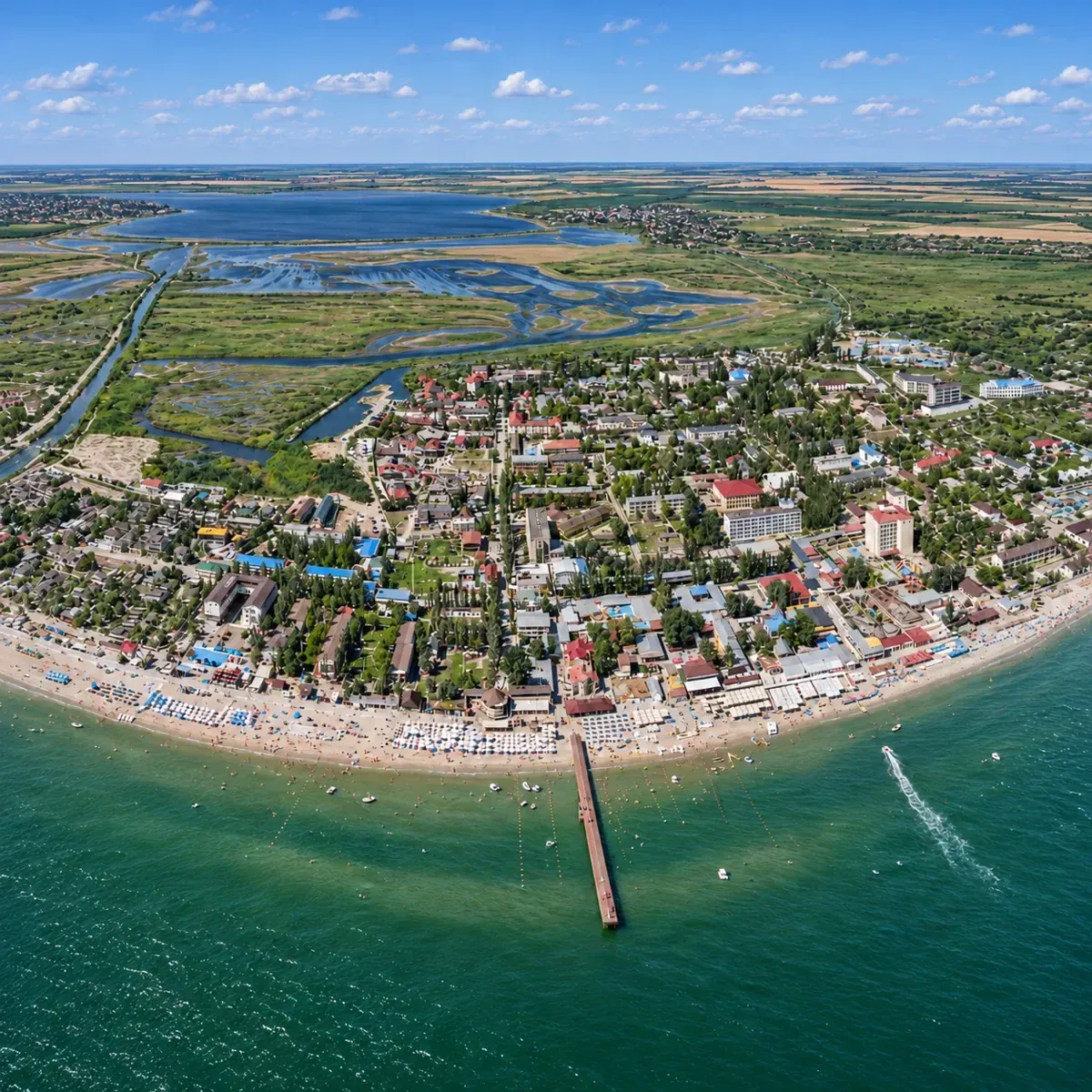
From the south of Ukraine came representatives of the Kobleve community of Mykolaiv Oblast and the Katlabuh community of Odesa Oblast. The western regions were represented by the Kornyn community of Rivne Oblast, Liuboml in Volyn Oblast, Boryslav in Lviv Oblast and Kremenets in Ternopil Oblast.
What all these communities had in common was the most important thing: they came to Warsaw with concrete projects, not just for new impressions.
For each community, the Project Navigator team prepared information materials featuring three priority projects. Joint thematic project portfolios were also put together in water supply, waste management, energy and energy efficiency.
This made it possible to present international partners not only with individual initiatives, but also with wider opportunities for cooperation with Ukrainian communities.
The partnership that made the trip possible
Preparing for Warsaw required considerable organisational work. CEE Bankwatch Network played an important role in this initiative: it provided organisational and logistical support and covered part of the costs of the community representatives’ stay in Warsaw.
For small communities, such support is particularly important, as taking part in international events requires not only well-prepared projects but also the corresponding organisational and financial capacity.
During the exhibition itself, representatives of RCERBS and Bankwatch jointly accompanied the communities’ working groups, helping them arrange meetings, overcome the language barrier, present project proposals and build contacts with international companies and financial institutions.
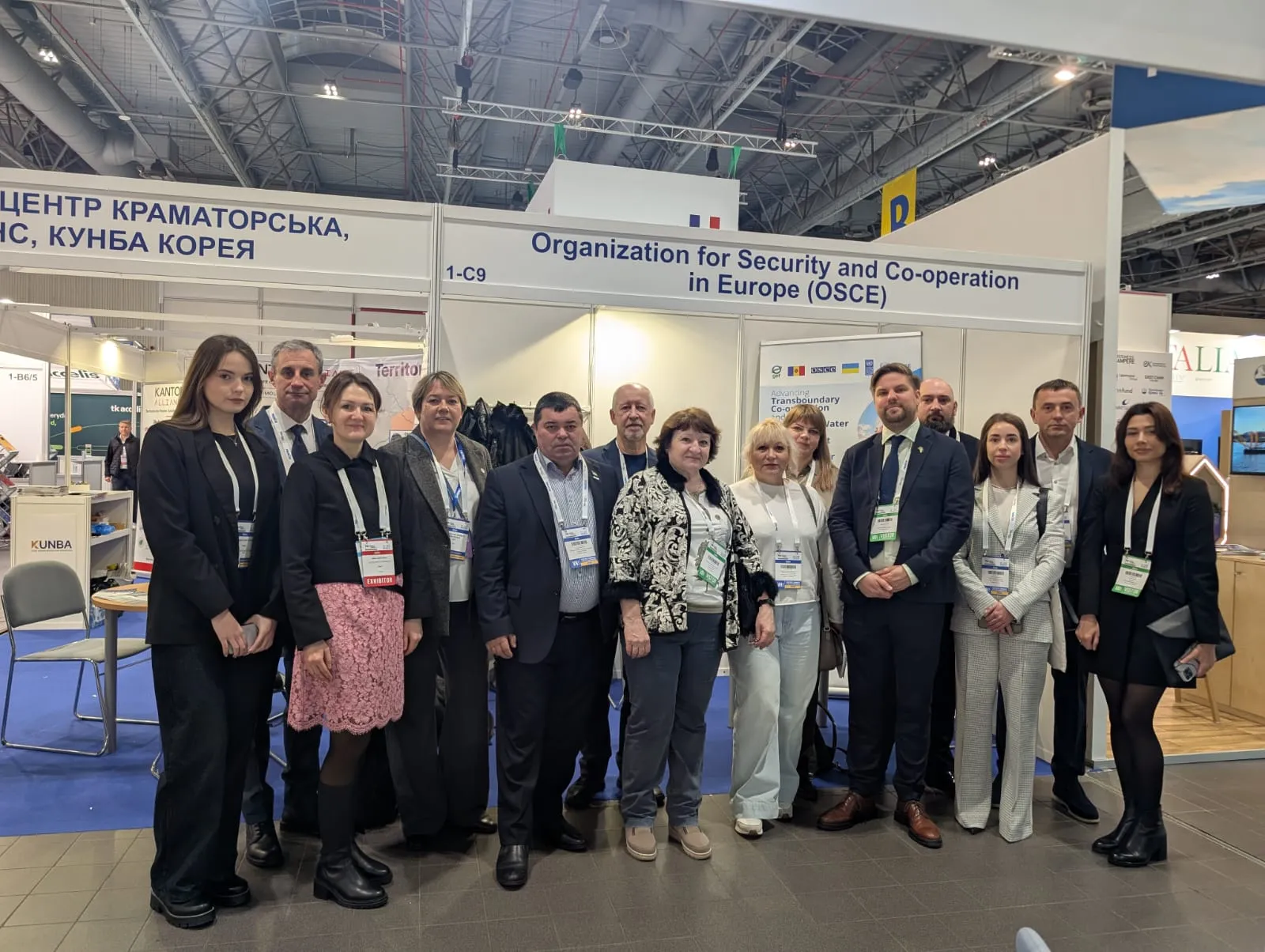
Once in Warsaw, three more communities joined the joint work with the support of the OSCE: the Mostyska community of Lviv Oblast, Fastiv in Kyiv Oblast and Lysets in Ivano-Frankivsk Oblast. They mainly presented projects in water supply, water treatment and the modernisation of sewerage infrastructure.
In total, representatives of 15 Ukrainian communities from 13 oblasts of Ukraine took part in the joint work.
Two days, dozens of meetings and new opportunities
The work at the exhibition was intensive. The participants split into small groups, each accompanied by English-speaking representatives of RCERBS and Bankwatch.
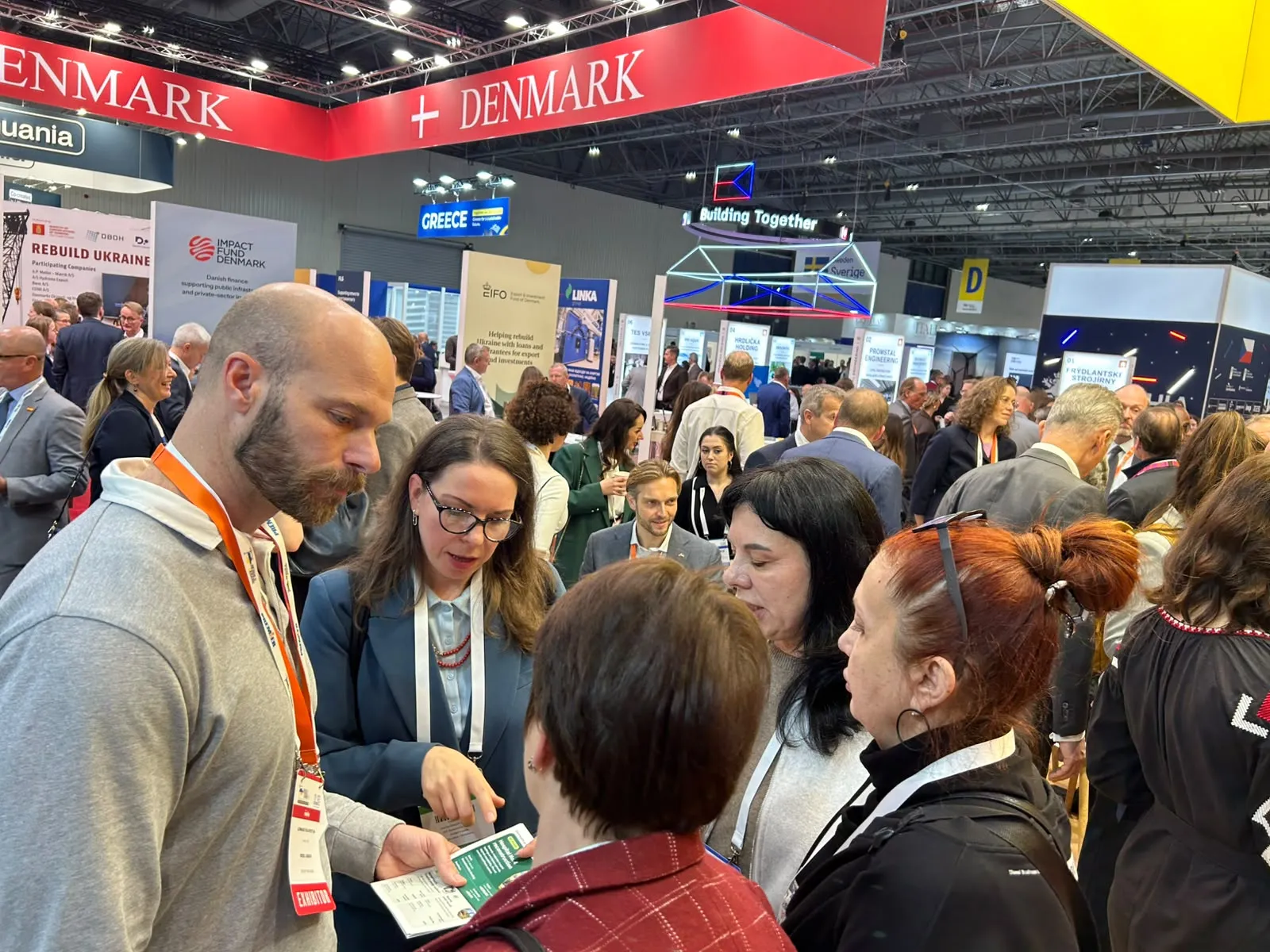
The original plan was to work along separate thematic lines. However, during the exhibition it soon became clear that most communities have similar needs, and that interesting technologies and support programmes were presented in different national pavilions.
The groups were therefore able to meet a wide range of potential partners.
The communities paid particular attention to modern water treatment systems, the modernisation of sewerage networks and treatment plants, cogeneration units, renewable energy, waste recycling and solutions for safe municipal infrastructure.
At the same time, meetings took place with representatives of international financial institutions, state support programmes and business associations.
From the Netherlands to Japan: the communities’ international contacts
One of the results of the trip was new contacts with representatives of different countries offering technologies, investment solutions and programmes supporting Ukraine’s recovery.
In the Dutch pavilion, opportunities for cooperation in water management, energy, healthcare and agriculture were discussed.
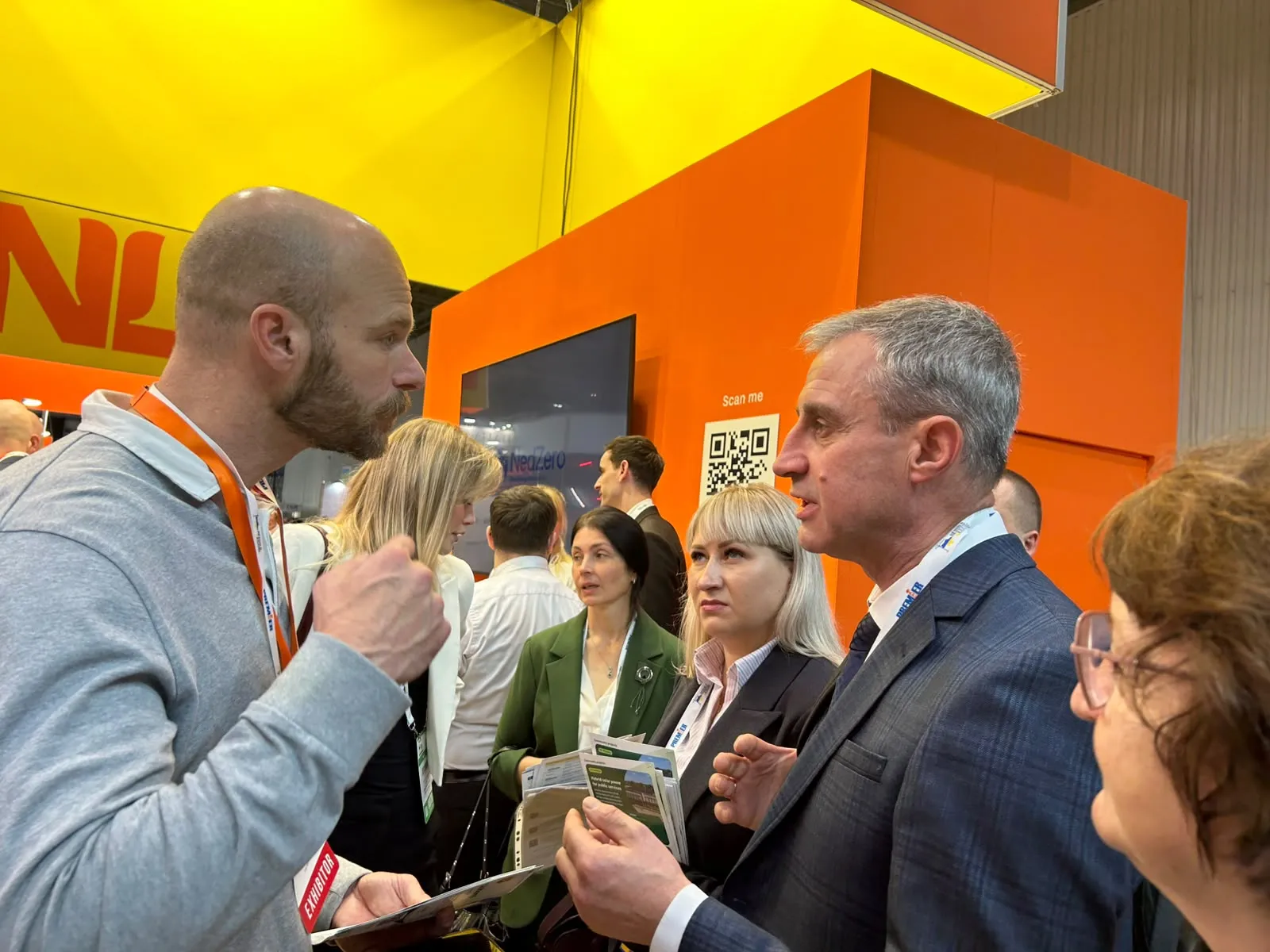
Meetings with representatives of Czechia proved interesting, in particular with companies working on cogeneration technologies, energy-efficient buildings, water treatment and waste recycling. There were also contacts with Czech–Ukrainian business associations interested in developing cooperation.
Representatives of Spain, in particular the regions of Andalusia and Murcia, showed interest in the work of RCERBS, the SOMBRILLA programme and opportunities for further partnership. This is especially important for the Fund given its existing cooperation with the Spanish industrial association SERCOBE.
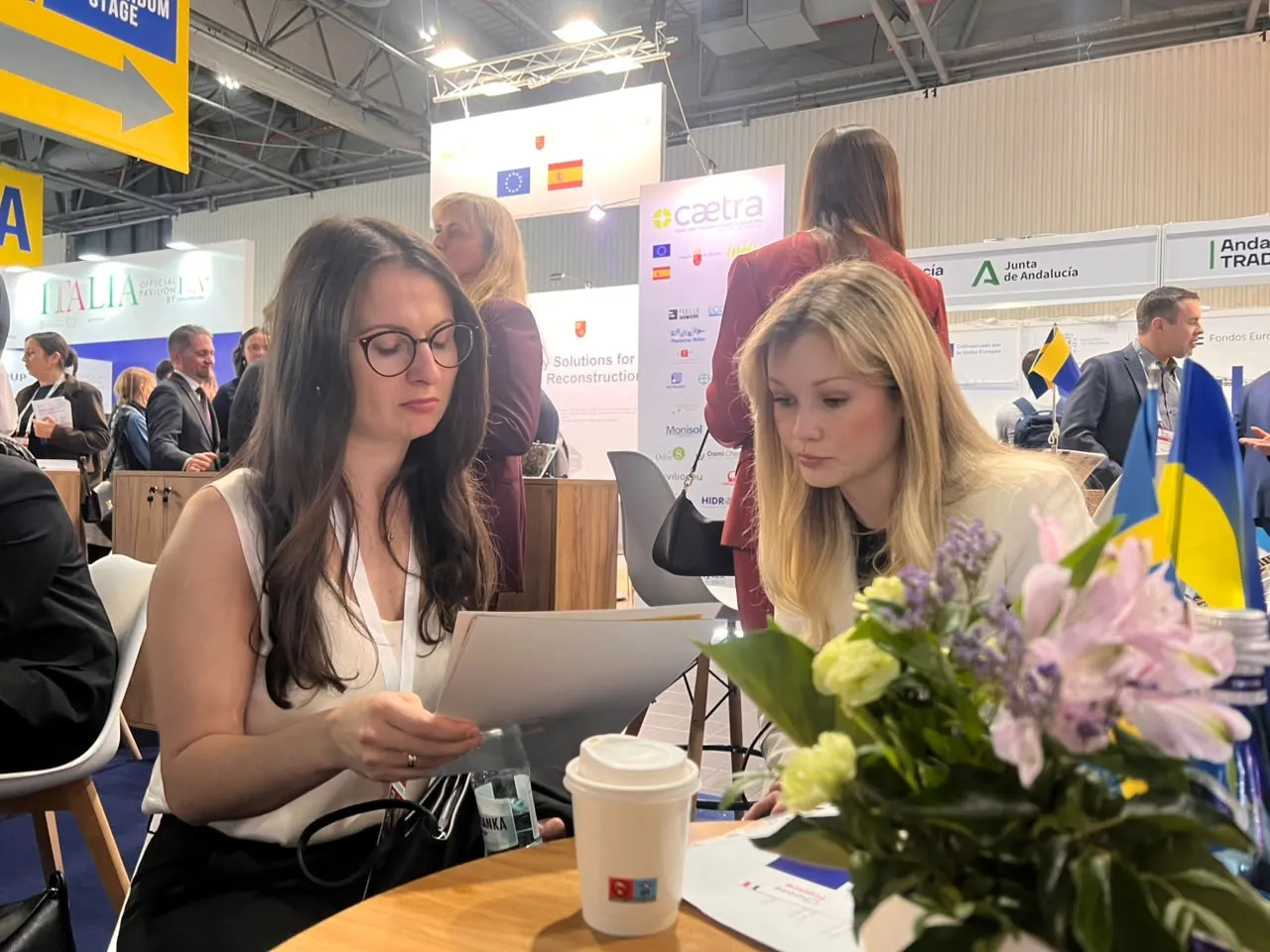
Other talks were held with representatives of Norway, Austria, Germany, France, Sweden, Finland, Denmark and Japan.
For the communities, this was an opportunity to talk directly with technology manufacturers, representatives of international business and organisations working on Ukraine’s recovery.
Financial institutions: from first acquaintance to substantive talks
A separate strand of work was meetings with organisations that can play an important role in financing Ukrainian projects.
In particular, the RCERBS team held talks with representatives of the Danish Impact Fund Denmark, which supports international investment projects. In a conversation with the head of its Kyiv office, Søren Møller, a preliminary agreement was reached on a follow-up meeting to discuss opportunities for cooperation.
A meeting with representatives of the Polish Bank Gospodarstwa Krajowego (BGK) was also important. The discussion covered opportunities to work with Polish companies interested in Ukraine’s recovery and the role of Project Navigator as a tool that helps find well-prepared projects from Ukrainian communities.
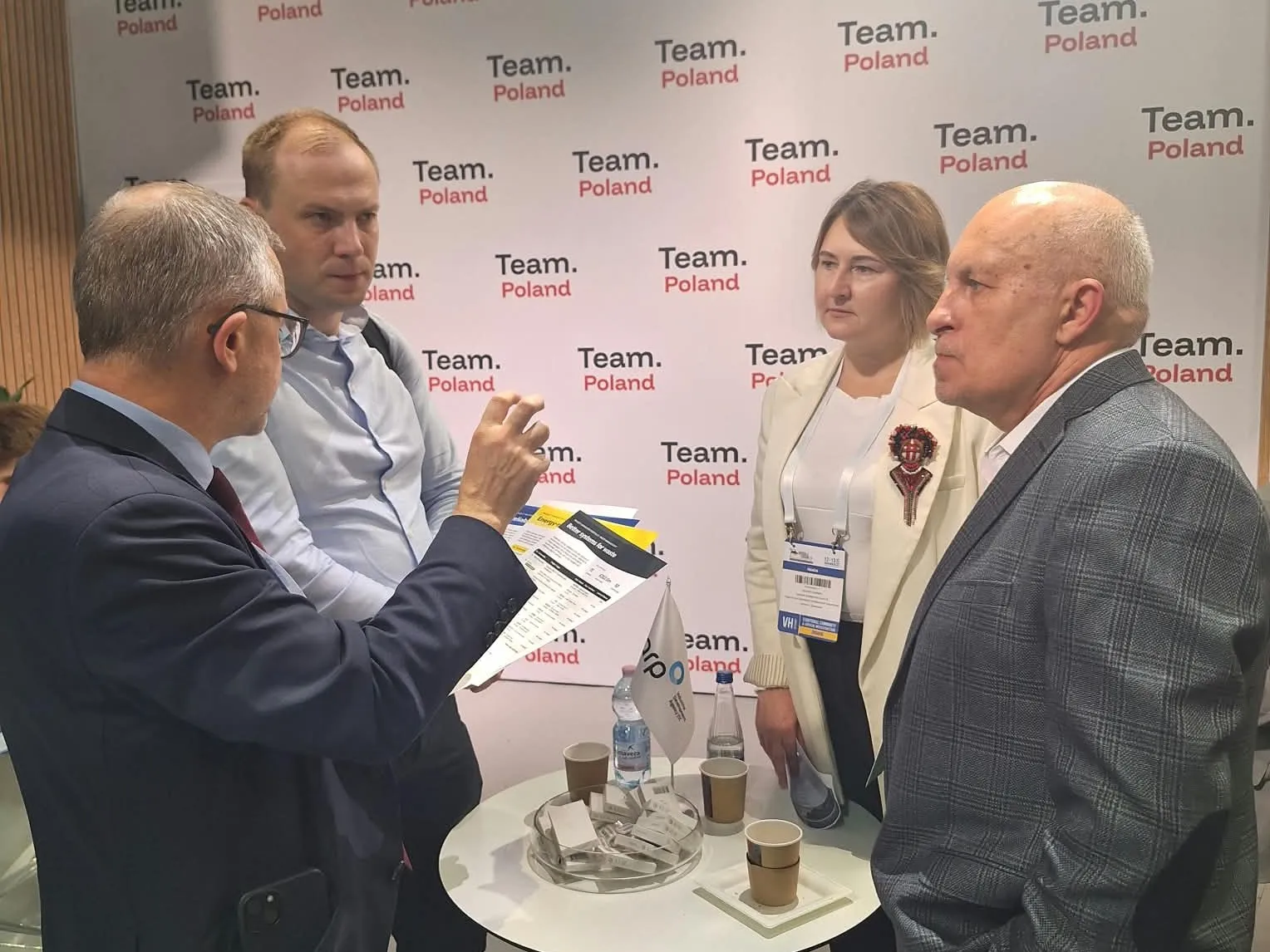
The Swedish financial institutions Nefco and Swedfund also attracted particular attention, as did opportunities for cooperation with Finnish manufacturers of protective structures.
Of course, making contacts does not yet mean securing funding. But it is precisely with such meetings that substantive negotiations, the preparation of project proposals and the search for real cooperation mechanisms begin.
The most interesting part begins after Warsaw
Over two days, each working group built its own circle of international contacts. The Project Navigator team now faces a new task: to bring the information together, identify the most promising opportunities and help the communities continue the negotiations.
After all, a partner met by one community may offer a solution that several others also need. And a joint request from several communities can sometimes be more interesting to international business than a single small project.
Together with Bankwatch, the RCERBS team is starting to systematise the results of the meetings. The communities will identify the most promising contacts, and the partners will help organise further communication and substantive negotiations.
A joint online workshop is scheduled for 24 November, at which participants will discuss the results of the exhibition and agree on the next practical steps.
Project Navigator: from local needs to international opportunities
Today, 125 Ukrainian communities have already joined Project Navigator. For most of them, finding funding and international partners remains one of the hardest challenges.
We understand well that it is not enough for a small community simply to have an interesting idea. It needs to prepare the project, assess how realistic it is, identify possible sources of funding, find suitable partners and present its proposal properly.
This is exactly why Project Navigator is being developed.
Taking part in ReBuild Ukraine 2026 was the first large-scale practical test of what this model of international cooperation can do.
And although the final results of the negotiations will become clear later, an important lesson can already be drawn: small Ukrainian communities are able to go international not only as aid recipients, but also as partners with concrete projects, who understand their needs and are ready to work on implementing them.
Warsaw was the beginning of this work. The key now is to turn the contacts made into real projects and partnerships.
Community cards for ReBuild Ukraine
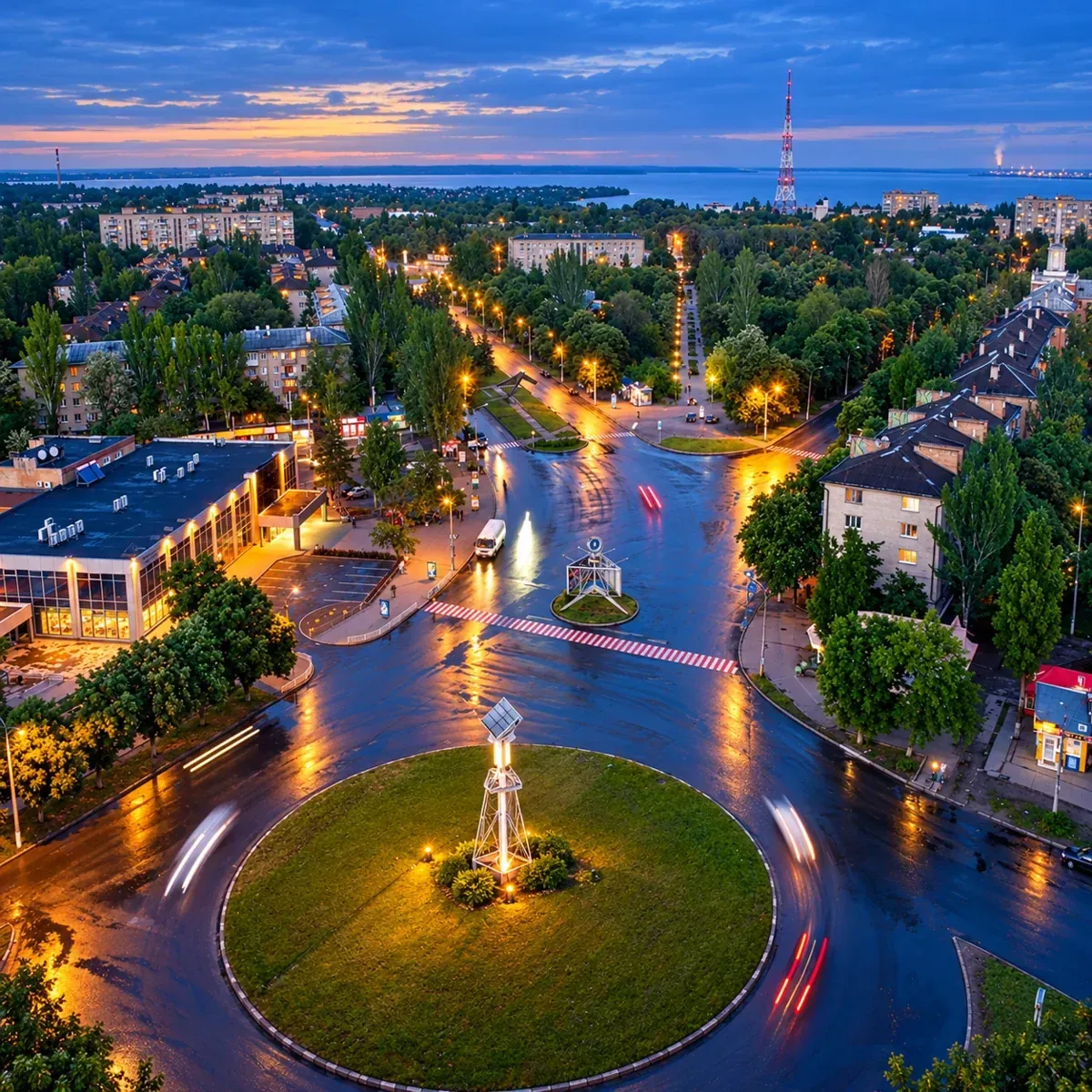
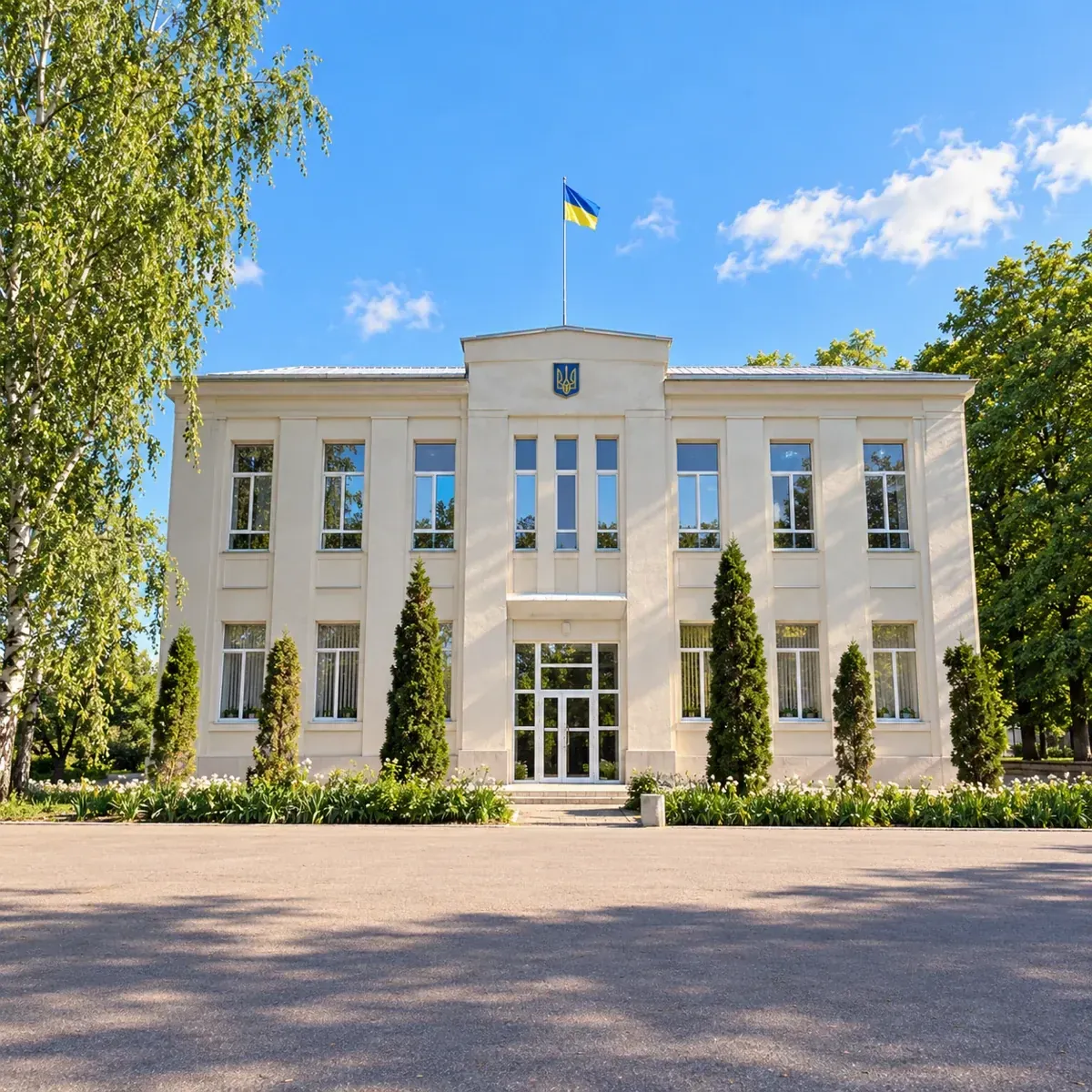
For each community, the Project Navigator team prepared information cards and booklets with priority projects — these were what the communities presented to partners in Warsaw. Here are six of the twelve communities.






All 12 communities and their projects on Project Navigator ↗