
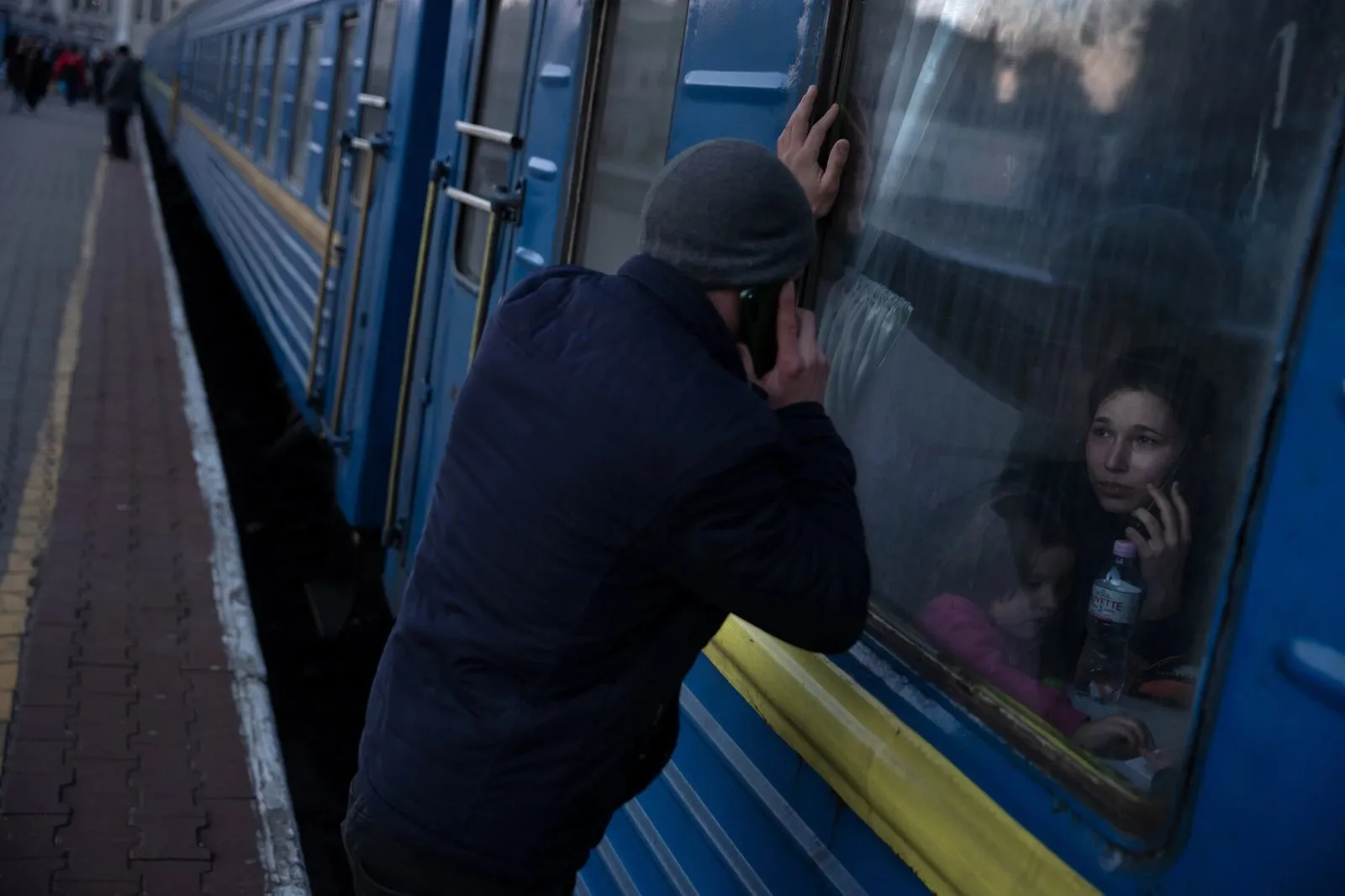
For many small territorial communities (hromadas), the arrival of hundreds or thousands of new residents came as a shock. The first response was: “How do we feed them, and where do we house them?” But four years have passed, and it is time for communities to move from crisis response to working with new opportunities. Helping internally displaced persons (IDPs) adapt is more than charity: it creates opportunities for the community. It is a competition for people who could become your new teachers, doctors, entrepreneurs and taxpayers. Why does “waiting mode” work against a community? Most IDPs still live psychologically “out of a suitcase”, waiting to return home. Communities also often view them as temporary guests. As a result, people do not invest in developing the place where they live, and the community does not use their potential.
Real adaptation begins when displaced people are seen as new residents rather than a temporary presence. History has repeatedly shown that these are precisely the people who can drive economic development. Three steps towards real integration: 1. A skills inventory (Who has arrived?)
- Do not wait for a specialist to come to the council. Conduct a survey: what are these people’s professions? Your modular housing settlement may be home to a leading agronomist whom a local farmer is looking for, or a project manager your core team badly needs.
Tip: Create a community “Talent Bank” that matches local businesses’ needs with new residents’ skills.
2. Social glue: from shared meals to shared decisions
-
Conflicts between “locals” and “newcomers” arise where there is no shared endeavour.
-
Involve IDPs in working groups: let them help develop the Roadmap. They bring a fresh perspective, experience from other regions and a strong desire to be useful.
-
Create shared spaces: these do not have to be expensive hubs. A school classroom used for evening retraining courses or meetings with businesses can serve the purpose.
3. Economic incentives
-
Many IDPs have entrepreneurial skills but have lost everything. Help them start again in your community.
-
Offer premises at a nominal rent to launch microbusinesses. Connect them with international self-employment grants.
The result: A new café, workshop or service means jobs for all residents and tax revenue for your budget. Why does this benefit an investor? When international funds see a community successfully integrating IDPs, they are much more willing to provide funding. For them, it is an indicator of social resilience. A housing construction or school renovation project is more likely to receive support if you can demonstrate that these people are staying, working and developing the area. Your choice today: You can see newcomers as a “burden” on the budget. Or you can become a community that offers an opportunity and achieves an intellectual and economic breakthrough. A community is about people who have chosen to be together, rather than territory or government. Your peers from temporarily occupied territories are an invaluable resource for community development.