
RCERBS Foundation representative took part in the Net Zero SMEs study visit in Gabrovo, Bulgaria
7/6/20262 min read
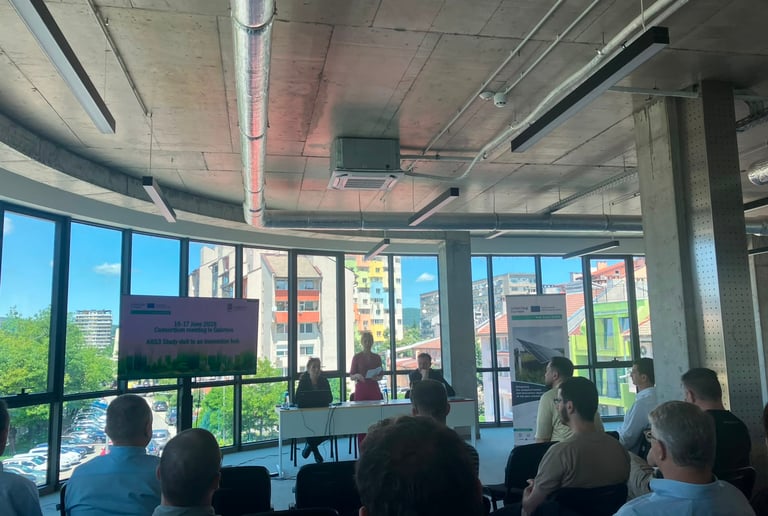
On 16–18 June 2026, a representative of the NGO "Regional Centre for Economic Research and Business Support Foundation" took part in a study visit to Gabrovo, Bulgaria, held within the international project Net Zero SMEs, implemented with the support of the Interreg Europe programme.
The study visit focused on practical approaches to supporting small and medium-sized enterprises (SMEs) in the green transition, improving energy efficiency, reducing greenhouse gas emissions, and adapting the local economy to the new European sustainability requirements.
During the visit, participants explored the experience of Gabrovo municipality in developing a local innovation ecosystem, supporting entrepreneurship, and building practical tools for working with business. Particular attention was paid to the municipality's role not merely as an administrative body, but as an active coordinator of local development: from diagnosing enterprises' needs to organising consultations, training, engaging experts, supporting innovative ideas, and preparing projects for financing.
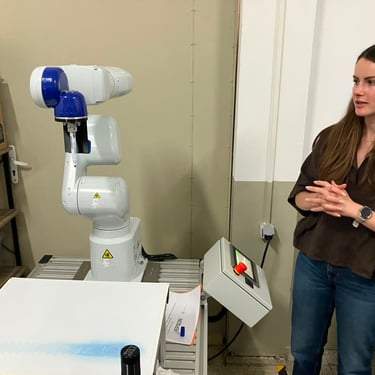
One of the key topics was the transformation of local industry amid the transition to a net-zero economy. Participants discussed how SMEs can reduce the energy and material intensity of production, prepare for ESG requirements, improve product quality, build more resilient supply chains, and find their place in the new European value chains.
The Ukrainian side found particularly interesting Gabrovo's experience in using modern tools for entrepreneurship and innovation — including hackathons, acceleration programmes, consulting formats, digital platforms, and support for innovative ideas. Such approaches make it possible not only to generate new solutions, but also to turn them into practical projects that can be prepared for implementation and financing.
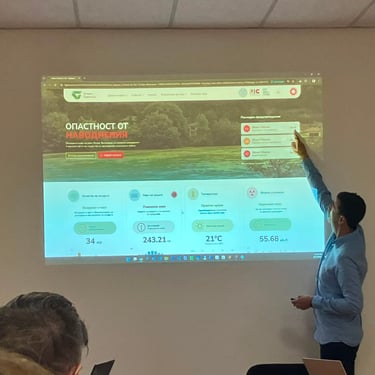
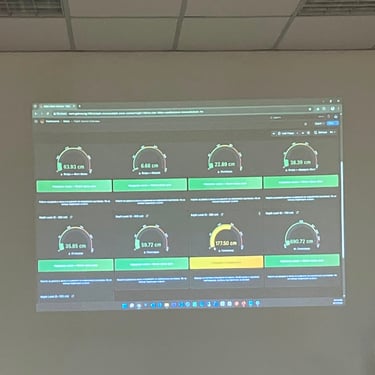
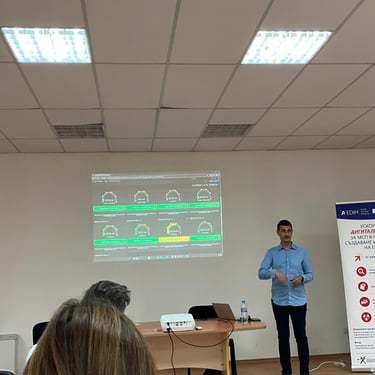
As part of the programme, participants got acquainted with the work of the innovation hub, the municipality's digital solutions, environmental monitoring tools, and examples of technological support for local business. In particular, solutions for digital environmental monitoring, the use of dashboards for data management, and the capabilities of the European Digital Innovation Hub for the accelerated digitalisation of enterprises were presented.
For the RCERBS Foundation, participation in the study visit has practical value in the context of working with Ukrainian communities, local enterprises, and recovery projects. Ukrainian communities and SMEs today face similar challenges: limited resources, a lack of managerial and project capacity, the need for energy-efficient solutions, difficulty accessing financing, and the need to prepare high-quality development projects.
Of particular importance is the link between the experience gained and the development of the digital tool Project Navigator, which the Foundation uses to structure communities' project ideas, collect the necessary data, prepare documentation, and shape projects ready for further financing. Gabrovo's experience confirms the relevance of an approach in which digital solutions should not merely store information, but help communities and businesses move from an initial idea to a well-prepared project.
Gabrovo's experience also demonstrates that the green transition at the local level requires not only strategies and declarations, but above all a practical support infrastructure: needs diagnostics, quality data, consultations, expert guidance, and partnership between the municipality, business, educational institutions, and donors.
The knowledge gained during the visit can be applied in the Foundation's further work with Ukrainian communities — particularly in preparing local development projects, supporting entrepreneurship, improving energy efficiency, building project portfolios, and finding financing for green recovery initiatives.
Participation in such international events is important for strengthening the capacity of Ukrainian organisations, exchanging experience with European partners, and adapting best practices to the Ukrainian context. For Ukraine, the most valuable approaches are those that help combine local economic development, business support, energy efficiency, digital tools, and the practical preparation of projects for financing.