
When "Net Zero" Is Not a Strategy but a Daily Routine: What Ukrainian Communities Can Learn from Denmark’s Experience
4/27/20263 min read
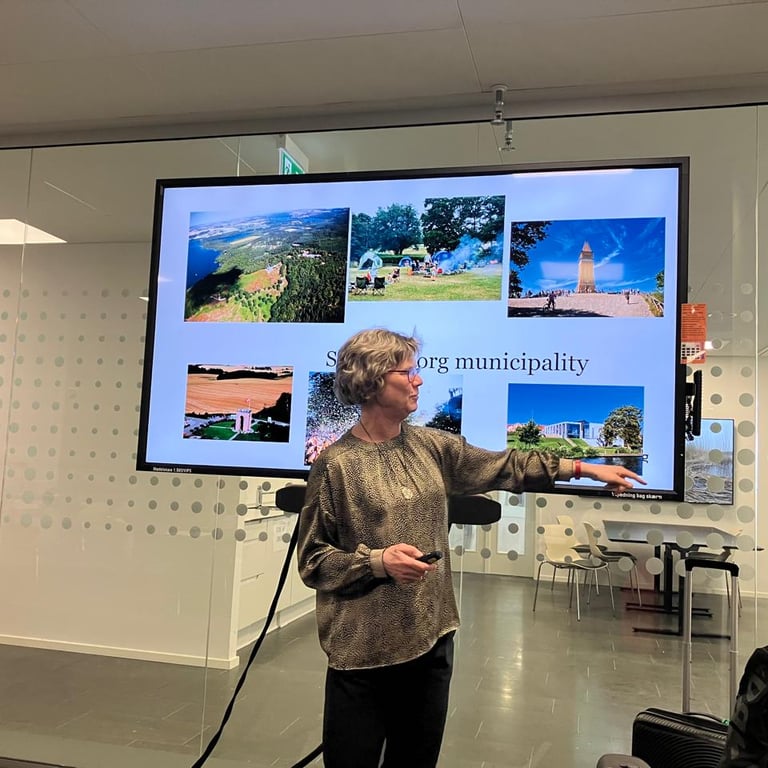
In April 2026, the small Danish town of Skanderborg became a platform for discussing what a net-zero economy looks like not in theory, but in practice. This was where the international workshop of the Net Zero SMEs project took place, with representatives of RCERBS taking part.
But the main question that remained after this trip was not "what they are doing", but "why it works for them - and what can realistically be transferred to Ukraine".
Denmark: Where Data Is Infrastructure, Not an Excel File
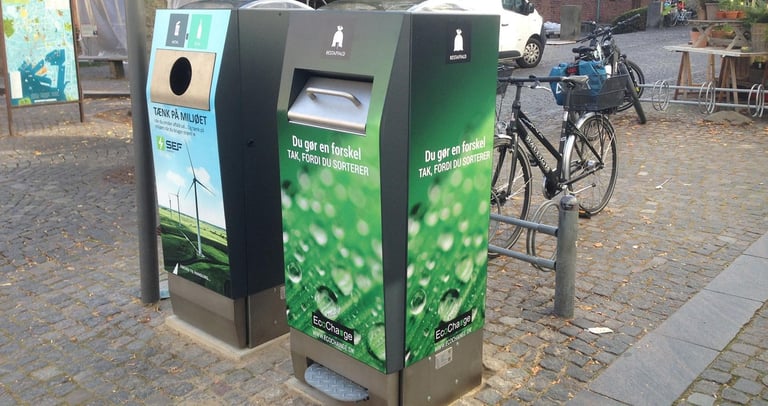
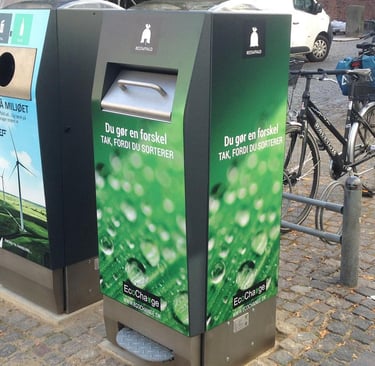
In Skanderborg, almost every management decision is based on data. But the key point is not the data itself, but how it is embedded into the management system.
Here, digitalization is not a separate project or a "fashionable option". It is the basic logic of how the municipality operates:
energy consumption data is collected in real time
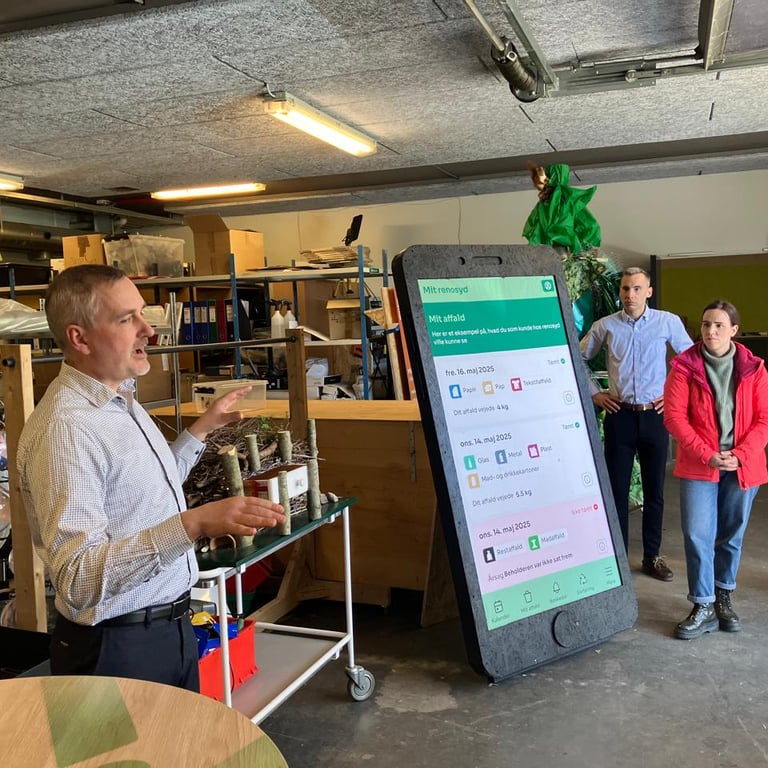
the waste management system is integrated with residents’ behavior
decisions are made not "by gut feeling", but on the basis of analytics
This sharply contrasts with Ukrainian practice, where data often exists but does not influence decisions.
Business Does Not Catch Up with Policy - It Is Built Into It
One of the key differences that stands out is that in Denmark, small and medium-sized businesses are not "pulled into" climate policy - they are part of it from the very beginning.
The workshop focused heavily on barriers for SMEs: access to financing, regulatory complexity, and a lack of expertise. But in the European context, these barriers are already being addressed systematically through:
partnerships with municipalities
clear rules of the game
access to data and analytics
For Ukraine, this is a critical signal: without business integration, any "green" strategies will remain paper documents.
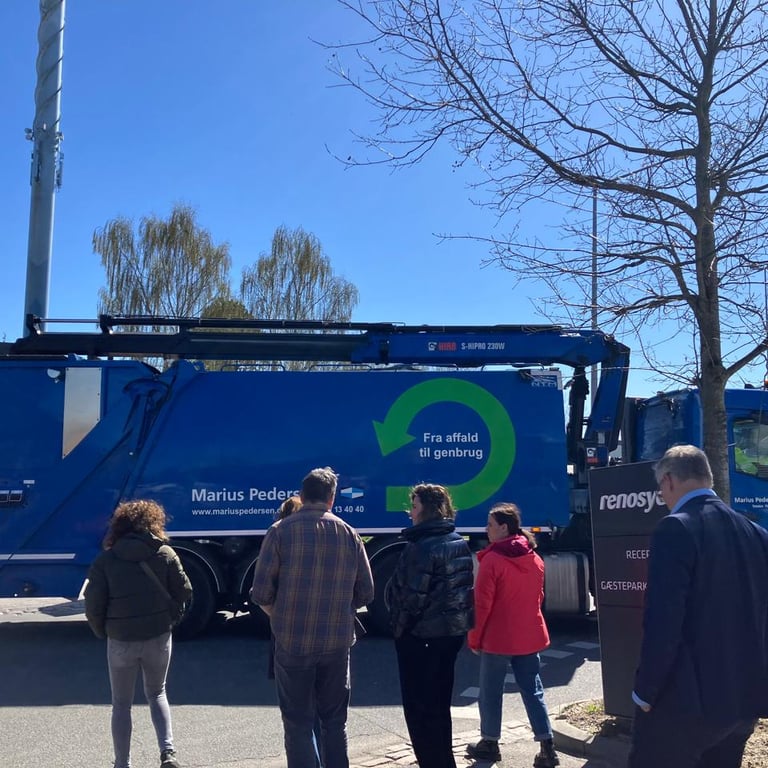
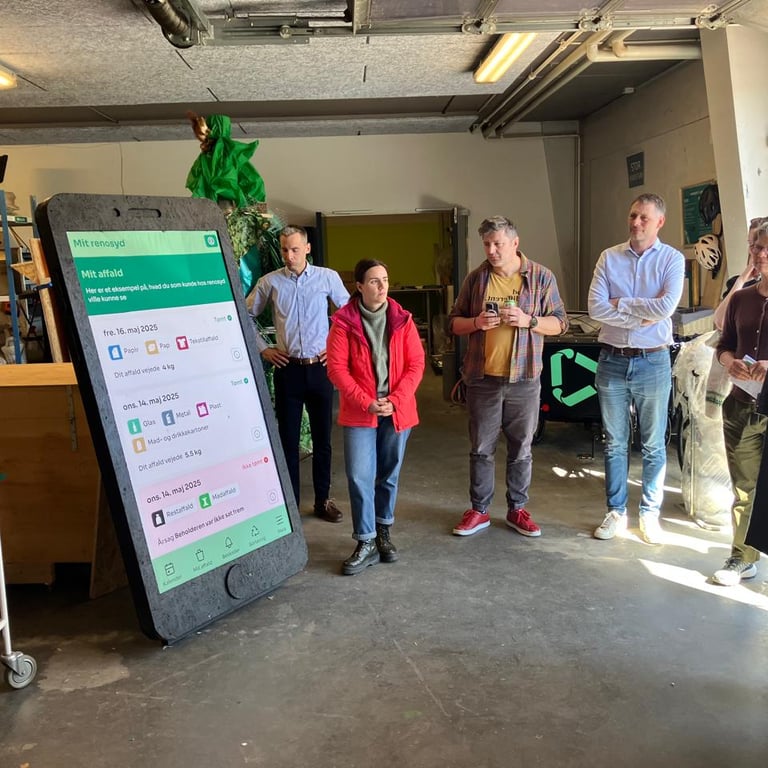
One of the most illustrative cases is the RenoSyd waste management system.
What is still often perceived in Ukrainian communities as a "problem sector" operates in Denmark as a service:
digital interaction with residents
accurate accounting and forecasting of waste flows
optimization of routes and costs
In effect, this is no longer just a municipal function, but part of the circular economy.
Another important focus is the development of local energy generation.
This is not only about solar panels. The key elements are:
real-time consumption control
decentralized systems
integration of energy into city management
This directly resonates with the Ukrainian context, where energy resilience has become a matter of security.
The Ukrainian Context: Between Constraints and Opportunities
During the workshop, RCERBS presented its experience of working with Ukrainian communities - from strategic documents to the structuring of investment projects.
But something else attracted the greatest interest: how municipalities operate under wartime conditions.
European partners see this not only as a constraint, but also as potential:
speed of decision-making
system flexibility
readiness for innovation in crisis conditions
This creates a paradox: what is forced adaptation in Ukraine can become a competitive advantage.
This workshop was not about solar panels or digital platforms. And not even about Net Zero as such.
It was about something else: effective municipalities are those that treat data as a core resource, integrate business into their policies, and think of infrastructure as a system rather than a set of separate projects.
This is exactly what most Ukrainian communities currently lack.
What Comes Next
For RCERBS, participation in Net Zero SMEs is not just an exchange of experience, but an opportunity to rethink approaches to structuring municipal projects and to working with businesses and communities as partners.
The next partner meeting will take place in Bulgaria. But the key work will not happen there.
It will happen in Ukrainian communities - if these approaches do not remain merely "interesting experience", but become the basis for real change.